

Berberine for GLP-1: Honest 2026 Guide to Dose, Effects, and the Ozempic Comparison
Berberine got crowned "Nature's Ozempic" on TikTok in 2023 and people have been confused about what it actually does ever since. The truth is more interesting than the hype, and a lot more useful if you want to use it on purpose.
I've spent a lot of time reading the berberine literature because customers ask me about it almost daily. Here's what's real, what's stretched, and how it stacks against a drink-based approach like Ozzi.
Berberine increases GLP-1 secretion from intestinal L-cells and inhibits DPP-4, the enzyme that breaks GLP-1 down. It does this through AMPK activation and gut microbiome modulation, not direct GLP-1 receptor binding. Clinical trials show HbA1c reductions of 0.5 to 0.7 percent at doses of 900mg to 1,500mg per day taken with meals.
Key takeaways
- Berberine raises GLP-1 indirectly through AMPK and gut bacteria
- It is NOT a GLP-1 receptor agonist like Ozempic
- Clinical dose is 900mg to 1,500mg per day, split with meals
- HbA1c drops 0.5 to 0.7 percent in trials, slower than allulose
- Standard berberine has poor bioavailability, around 1 percent

What is berberine and why do people care?
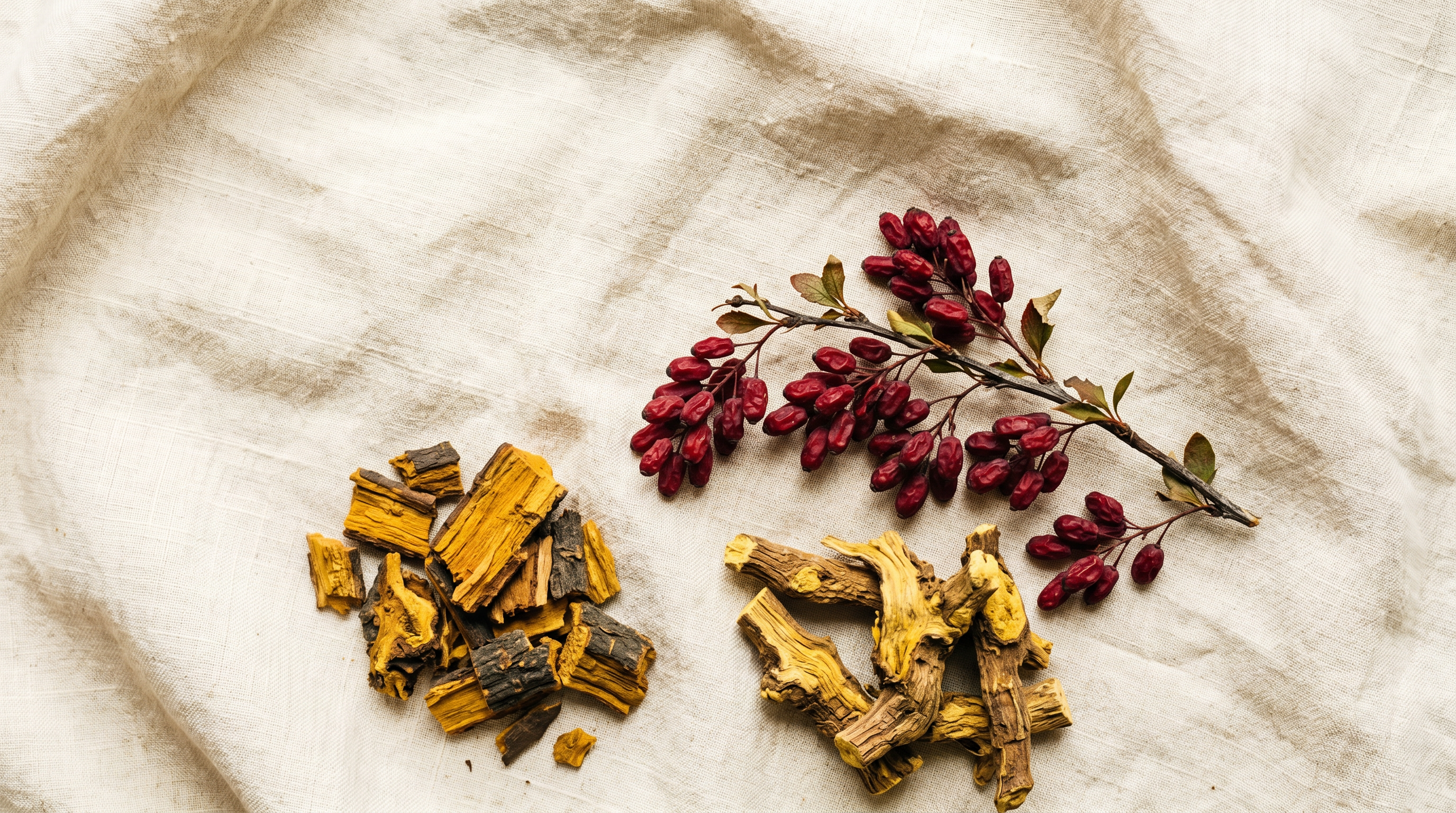
Berberine is an alkaloid extracted from plants like goldenseal, barberry, and Oregon grape root. Chinese and Ayurvedic medicine have used it for over a thousand years, mostly for blood sugar and digestive issues.
The modern surge in interest started when researchers realized berberine activates AMPK, the same metabolic switch metformin activates. That made it the first real natural candidate for blood sugar management at a clinical level.
The "nature's Ozempic" label came later, after TikTok influencers noticed it helped them feel less hungry. The mechanism behind that hunger effect is real, but it's not what they think.
Does berberine actually raise GLP-1?
Yes, but indirectly. A 2024 study in Endocrinology showed berberine metabolites stimulate GLP-1 secretion from intestinal L-cells through the GPR43 short-chain fatty acid receptor [1]. A separate line of research showed berberine inhibits DPP-4, the enzyme that breaks down circulating GLP-1, which extends the active window of whatever GLP-1 your body releases [2].
The chain looks like this. Berberine activates AMPK in liver and muscle. It also reshapes the gut microbiome, increasing short-chain fatty acid producers like Akkermansia muciniphila. Those bacteria produce butyrate. Butyrate triggers L-cells to release more GLP-1. Berberine simultaneously slows DPP-4, so the released GLP-1 sticks around longer.
That's three indirect levers stacked together. Useful, but slower than a direct trigger like allulose.
Berberine pulls three indirect levers on GLP-1. Allulose pulls one direct one. Both work. The timeline is different.
What do the clinical trials actually show?
A 2024 meta-analysis in Frontiers in Pharmacology pulled data from 46 randomized controlled trials in type 2 diabetes patients [3]. The results held up well.
| Outcome | Berberine vs control | Trial length |
|---|---|---|
| HbA1c | −0.69% to −0.73% | 12 to 16 weeks |
| Fasting glucose | −0.78 mmol/L | 12 weeks |
| BMI | −1.07 kg/m² | 12 weeks |
| LDL cholesterol | −0.50 mmol/L | 12 weeks |
For comparison, semaglutide (Ozempic) drops HbA1c by 1.5 to 1.8 percent in trials. So berberine is doing about a third of what the injectable does, without the prescription, side effects, or the weekly shot.
What is the right berberine dose?
The clinical sweet spot is 900mg to 1,500mg per day, split into 2 or 3 doses with meals [3]. Most trials use 500mg three times daily.
Taking it all at once does not work. Berberine has a short plasma half-life and pretty rough GI tolerability when stacked into a single dose. Splitting it is non-negotiable.
Is berberine safe? What are the side effects?
The most common complaints are GI: cramping, diarrhea, constipation, and gas, especially in the first two weeks. About one in four people get one of these. They usually fade as your microbiome adapts [3].
Berberine also interacts with cytochrome P450 enzymes, which means it can change how your body metabolizes a long list of medications including blood thinners, beta blockers, statins, and immunosuppressants. If you're on prescription meds, talk to your doctor before starting it.
Pregnancy and breastfeeding are hard nos. Berberine crosses the placenta and has shown developmental effects in animal models. Don't use it.
Berberine vs dihydroberberine: which is worth it?
Standard berberine has bioavailability around 1 percent. Dihydroberberine, the hydrogenated form, hits 5x higher blood levels at a quarter of the dose. A 2022 randomized crossover trial confirmed 100 to 200mg of dihydroberberine matched the plasma curve of 500mg standard berberine [4].
Catch: the same trial found no significant difference in glucose or insulin outcomes between the two forms. So the better absorption may not translate to a better clinical effect, at least in the short-term trials we have. Dihydroberberine is more comfortable on the GI tract though, which matters if standard berberine wrecks you.
Berberine vs allulose: which one is better for cravings?
This is the question I get most. The honest answer depends on what you're trying to fix.
| Factor | Berberine | Allulose |
|---|---|---|
| Time to feel it | 2 to 6 weeks | 30 to 60 minutes |
| Mechanism | AMPK, microbiome, DPP-4 | Direct L-cell trigger |
| Best for | Long-term HbA1c, insulin resistance | In-the-moment cravings, glucose spikes |
| GI side effects | Common in first 2 weeks | Rare under 15g per serving |
| Drug interactions | Many (CYP450) | Almost none |
If you want a slow, deep shift in metabolic health and you don't need fast feedback, berberine is the right tool. If you want to quiet the night monster tonight, allulose wins. The full head-to-head is in our allulose vs berberine breakdown.
Berberine plays the long game. Allulose plays the night game. You don't have to pick one if you understand what each one does.
Why isn't berberine in Ozzi?
I get asked this all the time. The short answer is that berberine doesn't fit a drink that's supposed to work immediately.
Berberine needs weeks of consistent use to reshape the gut microbiome and produce its peak effect. It also tastes intensely bitter, which is a deal breaker for a watermelon stick pack. And the GI cramping that 25 percent of new users get would tank the experience for first-time customers in their first week.
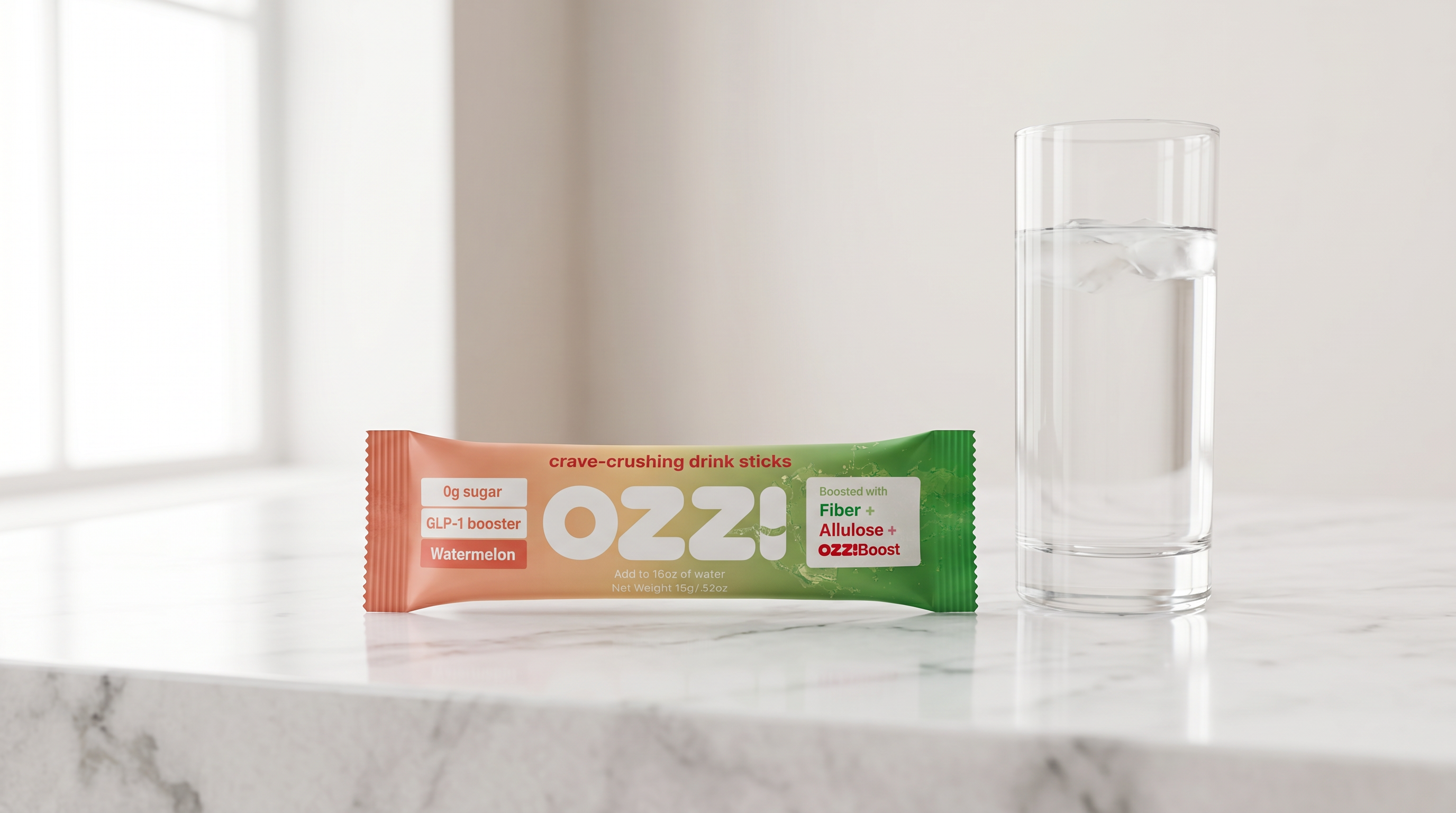
The Ozzi formula leans on allulose, konjac fiber, and BIOMEnd L-lysine butyrate because that stack works in the first 60 minutes. You can stack berberine capsules separately on top of Ozzi if you want both the fast hit and the slow burn.
What should you look for in a berberine supplement?
A few rules that have served me well.
Look for HCl form unless GI tolerance is an issue. Berberine HCl is the most studied form. Phytosome and dihydroberberine are useful upgrades but cost more.
Check the per-capsule dose. You want 500mg per capsule so you can hit 1,500mg per day with three caps, one per meal.
Avoid proprietary blends. If a label hides berberine inside a blend without listing the milligrams, walk.
How long can you take berberine?
Shorter than most people assume. The bulk of the human research runs eight to twelve weeks, and evidence past a few months of continuous use is thin. That isn't the same as saying long-term use is unsafe, but it does mean nobody can point you to good data on what a year of it looks like.
The common workaround is cycling, some weeks on and some weeks off. That convention comes from caution and from the gut side effects, not from a trial that compared cycling to continuous use, so treat it as sensible practice rather than an established protocol.
The part that genuinely matters more the longer you take it is the interaction profile. Berberine inhibits CYP3A4 and P-glycoprotein, which is the route a long list of everyday prescriptions clears through, so the risk is not a single dose but months of quietly altered drug levels. If you take anything regularly, that is a conversation for your pharmacist before it is a supplement decision.
This is also why berberine is not in Ozzi. A daily stick meant to be taken for months needs an ingredient list that suits daily use for months.
What are the alternatives to berberine?
It depends which job you hired berberine to do, because it is usually asked to do two unrelated ones.
If you wanted blood sugar support. Chromium has the most straightforward evidence of the common alternatives, and viscous soluble fiber slows how fast carbohydrate arrives in the first place, which is a different and complementary lever. Neither carries berberine's interaction profile.
If you wanted the GLP-1 effect. Allulose is the closer substitute, and it works faster and through a different mechanism. We put the two side by side, including where berberine wins, in allulose vs berberine for GLP-1.
If you wanted appetite control specifically. That is a fiber and satiety problem more than a blood sugar one. A stimulant-free appetite suppressant is the honest category name for it.
One thing worth saying plainly: berberine has real research behind it and we are not telling you it doesn't work. The argument here is about fit for daily long-term use, not about whether the ingredient does anything.
No berberine in it
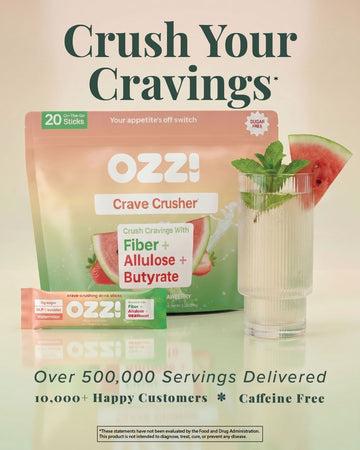
Ozzi Crave Crusher
8g allSWEET allulose, 500mg konjac glucomannan, 500mg BIOMEnd L-lysine butyrate, 300mcg chromium, 10mg ursolic acid and 150mg African mango. No berberine, no caffeine and no stimulants, because it is built to be taken every day for months rather than cycled.
See what's in it →Frequently asked questions
Is berberine really "nature's Ozempic"?
No. Ozempic is a GLP-1 receptor agonist that binds directly to the receptor. Berberine increases your own GLP-1 release and slows its breakdown, which is a completely different mechanism. The TikTok comparison oversells berberine's effect by about three-fold.
How long does it take berberine to work?
You should see fasting glucose move in 2 to 4 weeks. HbA1c, since it reflects 90 days of glucose, takes 12 weeks to show the full effect [3]. Hunger and cravings benefits usually show up around week 3 or 4.
Can I take berberine with metformin?
They have additive effects, so the combination drops glucose more than either alone. The catch is they share the AMPK pathway, so the combination raises hypoglycemia risk. Talk to your doctor before stacking them.
Does berberine help with weight loss?
Modestly. The meta-analysis showed a BMI drop of 1.07 kg/m² over 12 weeks in T2D patients, which works out to roughly 5 to 7 pounds for an average adult [3]. Most of that effect comes through improved insulin sensitivity rather than direct appetite suppression.
Will berberine break a fast?
Strictly speaking, yes. It activates digestive enzymes and triggers gut hormone release. From a glucose-control or insulin-sensitivity standpoint, the effect is small and most people taking berberine during a fasting window report no issue.
Can I take berberine forever?
Most clinical trials run 12 to 16 weeks. We don't have great long-term safety data past a year. The conservative move is to cycle: 12 weeks on, 4 weeks off.
Berberine vs metformin: are they the same?
Close, but not identical. Both activate AMPK. Berberine adds gut microbiome and DPP-4 effects that metformin doesn't have. Metformin is more potent for glucose lowering and has 50 years of safety data behind it. Berberine is the over-the-counter option for people who can't or won't take a prescription.
Should I take berberine with food or fasted?
With food, every time. Fasted berberine triggers more GI side effects and has lower bioavailability. Take one capsule with breakfast, lunch, and dinner if you're at 1,500mg per day.
Want the fast-acting side of natural GLP-1?
Ozzi Crave Crusher is allulose, konjac fiber, and BIOMEnd L-lysine butyrate in a watermelon stick pack. Drink one in 16oz of water before your hungriest meal and feel it inside an hour. If your first bag doesn't change something, we refund it. Pair it with berberine for the long game.
Further reading. The Nutrition Desk's review of the berberine research walks through the trial data in more depth.
References
- Wang Y, Liu H, Zheng M, et al. Berberine Metabolites Stimulate GLP-1 Secretion by Activating GPR43 Pathway. Endocrinology. 2024. https://pubmed.ncbi.nlm.nih.gov/38351702/
- Yu Y, Liu L, Wang X, et al. Berberine induces GLP-1 secretion through activation of bitter taste receptor pathways. Biochem Pharmacol. 2015. https://pubmed.ncbi.nlm.nih.gov/26206195/
- Effects of administering berberine alone or in combination on type 2 diabetes mellitus: a systematic review and meta-analysis. Front Pharmacol. 2024. https://www.frontiersin.org/journals/pharmacology/articles/10.3389/fphar.2024.1455534/full
- Moon JM, Ratliff KM, Hagele AM, et al. Absorption Kinetics of Berberine and Dihydroberberine and Their Impact on Glycemia: A Randomized, Controlled, Crossover Pilot Trial. Nutrients. 2022;14(1):124. https://www.ncbi.nlm.nih.gov/pmc/articles/PMC8746601/
- Berberine: A Rising Star in the Management of Type 2 Diabetes. Pharmaceuticals. 2025. https://pmc.ncbi.nlm.nih.gov/articles/PMC12735998/
- Glucose-lowering effect of berberine on type 2 diabetes: A systematic review and meta-analysis. Front Pharmacol. 2022. https://www.ncbi.nlm.nih.gov/pmc/articles/PMC9709280/
