

Allulose Supplement Guide 2026: Dosing, Benefits, and How It Triggers GLP-1
Allulose has gone from a lab curiosity to a serious tool for people who want to feel full without sugar crashes. The science quietly stacked up over the last three years, and now it sits inside the same conversation as berberine, fiber blends, and the new wave of natural GLP-1 boosters.
This guide is the version I wish someone had handed me before I started formulating Ozzi. I'll walk through what allulose actually is, what the trials say, where the dosing lands, and how to read a label without getting played.
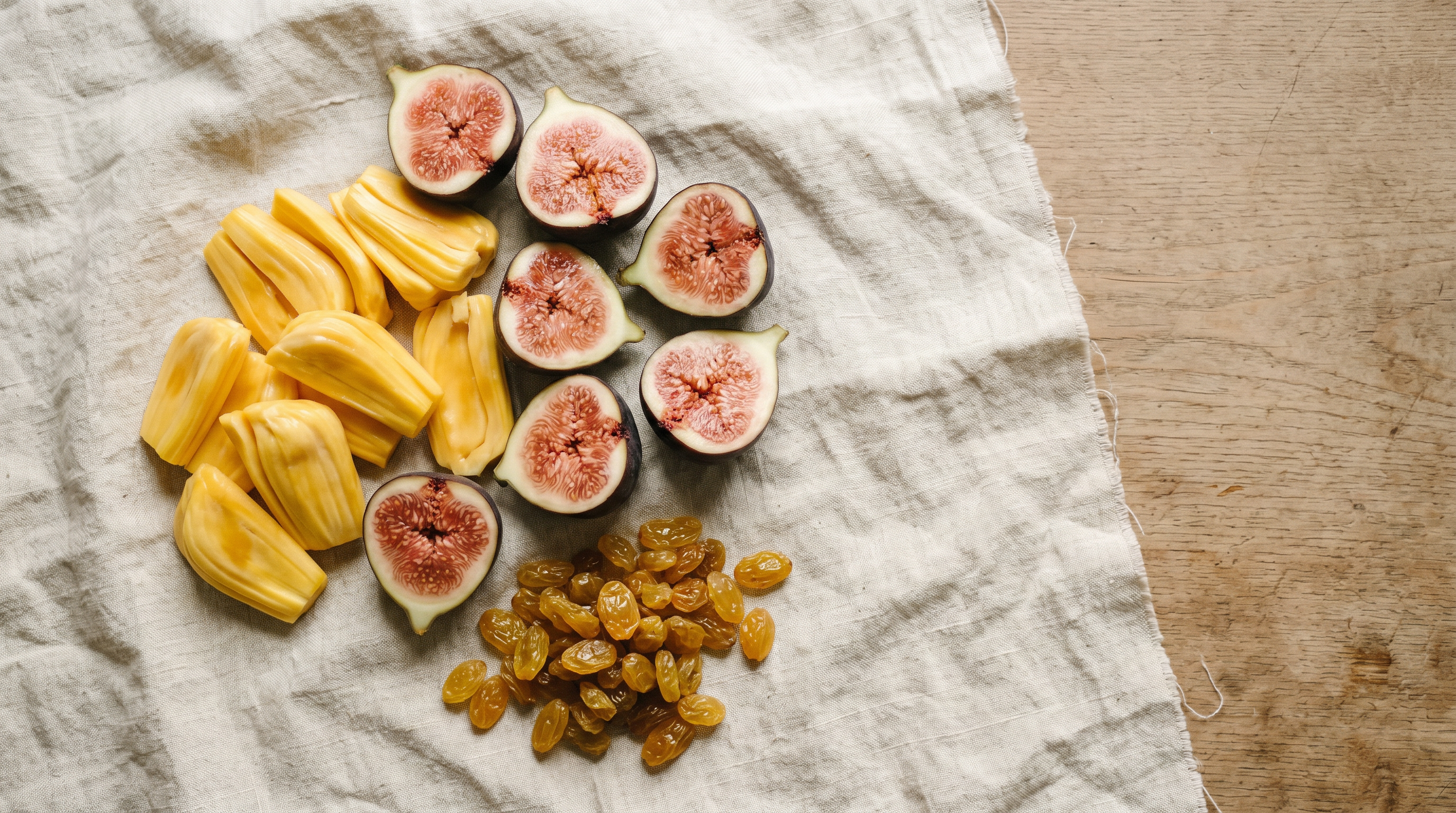
Allulose is a rare sugar found naturally in figs, raisins, and jackfruit. It tastes like sugar but the body absorbs it without metabolizing it for energy, so it delivers fewer than 0.4 calories per gram. Clinical trials show it triggers GLP-1, PYY, and CCK release and lowers postprandial glucose, which is why it shows up in modern appetite-support formulas.
Key takeaways
- Allulose is a rare sugar that the body doesn't use for energy
- 5g to 15g triggers GLP-1, PYY, and CCK release in human trials
- It blunts glucose and insulin spikes when paired with sugar or carbs
- Drinks deliver allulose faster than capsules can
- Start with 5g, then move up if you tolerate it well

What is allulose, in plain English?
Allulose is a monosaccharide, just like glucose or fructose. The technical name is D-psicose. It shows up in tiny amounts in figs, raisins, jackfruit, and maple syrup.
The interesting part is what your body does with it. About 70% of swallowed allulose is absorbed in the small intestine. Almost none of it gets metabolized for energy. The rest passes through and gets excreted in urine within 24 hours. That's why the FDA exempted it from the "added sugar" and "total sugar" lines on the Nutrition Facts panel back in 2019.
It tastes like sugar. About 70% as sweet as sucrose, with no aftertaste and no cooling sensation like erythritol gives you. If you've had it in a clean-label dessert and didn't realize, that's the point.
How does allulose trigger GLP-1 naturally?
This is the part that matters for appetite. A 2022 randomized crossover trial published in The Journal of Nutrition gave 18 adults 25g of D-allulose, 50g of erythritol, or plain water through a feeding tube. Both allulose and erythritol triggered significant release of GLP-1, PYY, and CCK compared to water [1].
Those three hormones are the body's natural satiety crew. GLP-1 tells the brain you're full and slows gastric emptying. PYY reinforces the same signal. CCK gets released when nutrients hit the small intestine and tells you to stop eating.
The mechanism isn't fully mapped yet, but researchers ruled out the sweet taste receptor pathway because adding lactisole (a sweet-taste blocker) didn't change the hormone response [1]. Allulose appears to act on enteroendocrine L-cells through a path that bypasses T1R2/T1R3 entirely.
Allulose hits L-cells through a back door, so it triggers fullness hormones without the taste-receptor games most sweeteners play.
What does the glucose data actually show?
A 2025 systematic review in Current Developments in Nutrition analyzed 15 trials and concluded that allulose dose-dependently reduces the glycemic response to sucrose and maltodextrin [2]. A separate meta-analysis in Clinical Nutrition Open Science looked specifically at type 2 diabetes and found allulose significantly reduced glucose area under the curve [3].
In healthy adults, a PLOS One meta-analysis found 5g and 10g doses both produced significantly smaller postprandial blood glucose AUC than control [4].
Translation: when you eat sugar or carbs, allulose softens the spike. Less spike means a smaller insulin response. A smaller insulin response means less of the crash that drives the next craving 90 minutes later.
How much allulose do you actually need?
Here's the table I keep coming back to.
| Dose | What the research shows | Best use |
|---|---|---|
| 5g | Significant glucose AUC reduction in healthy adults [4] | Daily maintenance, low-tolerance starters |
| 7g to 10g | Stronger GLP-1 and PYY response in crossover trials | Pre-meal appetite control |
| 15g to 25g | Robust satiety response, possible GI side effects above 25g [1] | Heavy meals, advanced users |
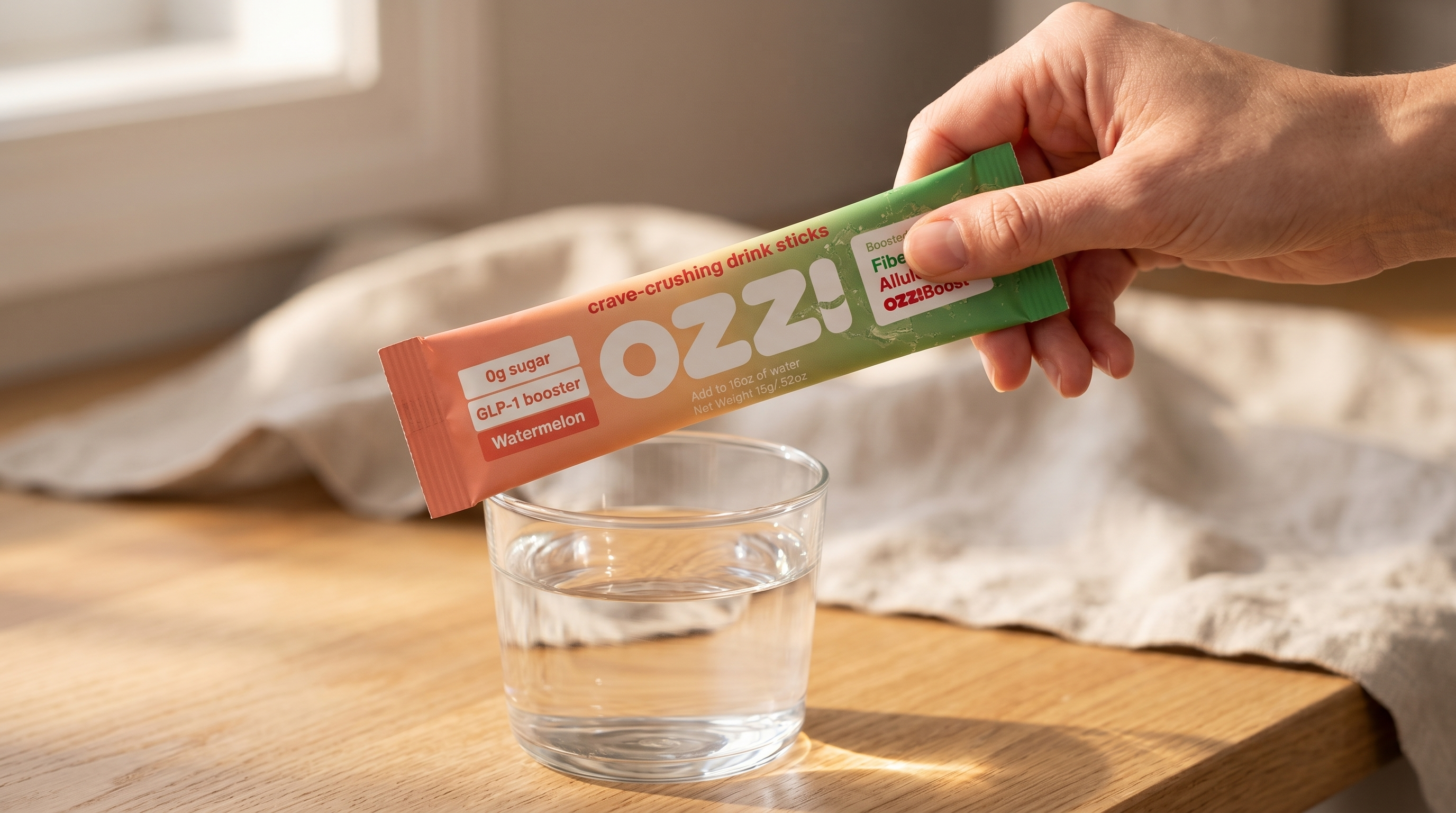
I built Ozzi Crave Crusher around 7g per stick because that's where the appetite effect kicks in for most people without pushing into the territory where you get GI complaints. You can stack a second stick later in the day if you want more.
Is allulose safe? What about the side effects?
Allulose got GRAS (Generally Recognized as Safe) status from the FDA in 2012. Long-term human studies up to 16 weeks have shown no liver, kidney, or metabolic harm at doses up to 14g per day [5].
The most common side effect at higher doses is GI discomfort. The reason is simple: any sugar alcohol or rare sugar that doesn't get metabolized can pull water into the gut and ferment if it reaches the colon. Allulose ferments less than erythritol or sorbitol because most of it gets absorbed and excreted in urine instead.
The threshold most people hit GI issues at is somewhere between 0.5g and 0.7g per kilogram of body weight in a single sitting. For a 150-pound person, that's about 34g to 47g at once. Practically, if you stay at 15g or below per serving, you're well inside the safe zone.
Should you take allulose alone or in a stack?
Allulose works. It also has gaps. It triggers GLP-1 but doesn't slow gastric emptying as hard as a soluble fiber would. It blunts glucose spikes but doesn't bind to bile acids or feed the gut microbiome the way a prebiotic fiber does.
The smarter move is to stack it. Allulose for the L-cell trigger and glucose response. Soluble fiber for the slow-emptying and microbiome work. A natural appetite-modulator like saffron or African mango extract for the central nervous system side of cravings.
That's why Ozzi Crave Crusher isn't just allulose. It pairs the 8g of allulose with konjac fiber and BIOMEnd L-lysine butyrate so you hit the appetite system from three angles at once. You can read the full natural GLP-1 booster breakdown for how the ingredients work together.
How does allulose compare to other natural options?
| Ingredient | GLP-1 trigger | Glucose control | Side effect risk |
|---|---|---|---|
| Allulose | Direct, fast | Strong | Low under 15g |
| Berberine | Indirect, slower | Strong (HbA1c −0.7%) | GI cramping at 1.5g |
| Glucomannan | Indirect (volume) | Moderate | Choking if not hydrated |
| Inulin | Indirect (SCFA) | Mild | Bloating at 10g+ |
If you want the deeper version of this, our allulose vs berberine breakdown compares the two head to head, including onset time and how they pair together.
When should you take allulose for the best results?
The sweet spot is 10 to 20 minutes before a meal. That gives the allulose time to reach the small intestine and start the GLP-1 release before the food hits.
If you're using it for night cravings (which is what most Ozzi customers tell me they use it for), I take a stick around 7 or 8pm. It quiets the food noise that usually shows up around 9pm without keeping me from sleep.
If the night monster shows up around 9pm, take your stick at 8pm. It hits before the craving does.
What should you look for on a label?
A few things make a real difference.
The dose has to be visible. If a product brags about allulose but lists it inside a proprietary blend with no per-serving amount, walk away. You need to know you're getting at least 5g.
Form matters. A drink mix gets into the small intestine in minutes. A capsule has to dissolve first. For appetite work where timing matters, a drink wins.
Source matters less than you'd think. Most allulose on the market is made by enzymatic conversion of fructose from corn or sugar beets. The end molecule is identical regardless of source.
Frequently asked questions
Does allulose break a fast?
The body doesn't metabolize allulose for energy, so it doesn't spike insulin in any meaningful way. From a metabolic standpoint, it doesn't break a fast. From a strict autophagy standpoint, anything that triggers GLP-1 and CCK has a digestive response, so purists would say yes. For most people doing intermittent fasting for appetite or glucose control, allulose is fine.
Can I bake with allulose?
Yes. It browns more easily than sugar because it caramelizes at a lower temperature. Reduce baking temperature by 25 degrees Fahrenheit to avoid over-browning.
Is allulose keto?
Yes. It has fewer than 0.4 calories per gram and doesn't raise blood glucose. Most low-carb communities accept it as keto-compatible.
Will allulose cause weight gain?
No. It doesn't deliver metabolizable calories. The longest human trial to date (16 weeks) showed no weight gain at 14g per day [5].
How fast does allulose work for appetite?
GLP-1 release peaks 30 to 60 minutes after consumption in crossover trials [1]. You should feel reduced hunger inside the first hour.
Can I take allulose if I have type 2 diabetes?
The meta-analysis evidence is strongest in this group [3]. Allulose lowered postprandial glucose AUC in T2D patients more than in healthy controls. Talk to your doctor before adding it on top of any medication that lowers blood sugar.
Does allulose feed gut bacteria?
Some, but less than fibers like inulin or partially hydrolyzed guar gum. Most of the allulose you swallow gets absorbed in the small intestine and excreted in urine, so the colon doesn't see much of it.
Is allulose better than stevia or monk fruit?
For appetite work, yes. Stevia and monk fruit are intense sweeteners that don't trigger GLP-1 release. Allulose has both sweetness and a hormonal effect.
Try allulose in the drink we built around it
Ozzi Crave Crusher is 8g of allulose, konjac fiber, and BIOMEnd L-lysine butyrate in a watermelon stick pack. Mix one in 16oz of cold water before your hungriest meal. If you don't feel the difference in 10 days, your first bag is on us.
References
- Teysseire F, Bordier V, Beglinger C, et al. The Role of D-allulose and Erythritol on the Activity of the Gut Sweet Taste Receptor and Gastrointestinal Satiation Hormone Release in Humans: A Randomized, Controlled Trial. J Nutr. 2022;152(5):1228-1238. https://pubmed.ncbi.nlm.nih.gov/35135006/
- Comparative Effects of Allulose and Sugar Alternatives on Glycemic and Cardiometabolic Parameters: A Systematic Review. Curr Dev Nutr. 2025. https://cdn.nutrition.org/article/S2475-2991(25)02060-8/fulltext
- Impact of allulose on blood glucose in type 2 diabetes: A meta-analysis of clinical trials. Clin Nutr Open Sci. 2024. https://pubmed.ncbi.nlm.nih.gov/39583955/
- Allulose for the attenuation of postprandial blood glucose levels in healthy humans: A systematic review and meta-analysis. PLOS One. 2023. https://journals.plos.org/plosone/article?id=10.1371%2Fjournal.pone.0281150
- Hayashi N, Iida T, Yamada T, et al. Study on the postprandial blood glucose suppression effect of D-psicose in borderline diabetes and the safety of long-term ingestion by normal human subjects. Biosci Biotechnol Biochem. 2010;74(3):510-519. https://pubmed.ncbi.nlm.nih.gov/20208358/
- Comparison of postprandial glycemic and insulinemic response of allulose when consumed alone or when added to sucrose: A randomized controlled trial. Food Funct. 2024. https://www.sciencedirect.com/science/article/pii/S175646462300169X
