

Prediabetes Prevention: How To Improve Insulin Sensitivity, Cut Cravings & Support Weight Loss
The Silent Epidemic You Need to Know About
According to the latest data from the CDC, approximately 98 million American adults have prediabetes, which represents more than 1 in 3 adults in the United States. Even more concerning, over 80% of these individuals remain unaware of their condition CDC National Diabetes Statistics Report.
This widespread but largely unrecognized condition occurs when blood sugar levels are elevated beyond normal but not yet high enough to be classified as type 2 diabetes. Without appropriate intervention, prediabetes frequently progresses to full-blown diabetes, bringing with it a host of serious health complications.
Understanding Prediabetes: The Science Behind Rising Blood Sugar
Prediabetes develops when your body begins to resist the effects of insulin, the crucial hormone responsible for moving glucose from your bloodstream into your cells. When cells become less responsive to insulin signals, glucose accumulates in the bloodstream instead of being efficiently utilized for energy.
According to diagnostic guidelines, prediabetes is typically identified by one or more of the following measurements:
- A fasting blood glucose level between 100 and 125 mg/dL
- An A1C (glycated hemoglobin) test result between 5.7% and 6.4%
- A 2-hour glucose reading between 140 and 199 mg/dL during an oral glucose tolerance test CDC
Several key factors increase your risk of developing prediabetes:
Excess Weight and Body Composition
Carrying excess weight, particularly around the abdomen (visceral fat), is strongly associated with insulin resistance. This type of fat is metabolically active and releases compounds that interfere with normal insulin signaling.
Sedentary Lifestyle
Regular physical activity increases insulin sensitivity and helps muscle cells absorb glucose more efficiently. Conversely, a sedentary lifestyle contributes to reduced insulin sensitivity and impaired glucose metabolism.
Dietary Patterns
Diets high in refined carbohydrates, added sugars, and processed foods contribute significantly to prediabetes risk. These foods cause rapid spikes in blood glucose levels, placing extra demand on insulin production and eventually leading to insulin resistance.
Genetic Predisposition
Family history plays an important role in prediabetes risk. Having a first-degree relative with type 2 diabetes increases your own risk substantially, highlighting the genetic component of this condition.
Age and Ethnicity
Prediabetes risk increases with age, particularly after 45. Certain ethnic groups, including African Americans, Hispanic/Latino Americans, American Indians, Pacific Islanders, and some Asian Americans, face higher risks of developing prediabetes and type 2 diabetes NIDDK.
The National Diabetes Prevention Program: Evidence-Based Prevention
The landmark Diabetes Prevention Program (DPP) research study, conducted by the National Institutes of Health, provided definitive evidence that lifestyle intervention can dramatically reduce progression from prediabetes to type 2 diabetes. This groundbreaking study found that participants who engaged in a structured lifestyle change program reduced their risk of developing type 2 diabetes by 58% compared to placebo. For adults over 60, the risk reduction was even more impressive at 71% NIDDK, CDC.
Based on these findings, the CDC established the National Diabetes Prevention Program (National DPP), which has been implemented nationwide. This program focuses on helping participants achieve two primary goals:
- Lose 5-7% of their body weight
- Engage in at least 150 minutes of moderate physical activity weekly
Follow-up studies have demonstrated the long-term effectiveness of this approach, with participants maintaining a significantly reduced diabetes risk for at least 10 years after the intervention CDC.
Three Science-Backed Strategies to Reverse Prediabetes
1. Enhance Insulin Sensitivity Through Targeted Nutrition
Improving your body's response to insulin stands as the cornerstone of prediabetes reversal. Research has identified specific nutritional approaches that effectively enhance insulin sensitivity:
Focus on Fiber-Rich Foods
Dietary fiber, particularly soluble fiber, plays a crucial role in regulating blood glucose levels and improving insulin sensitivity. High-fiber foods slow digestion and glucose absorption, resulting in more stable blood sugar levels. Certain fibers also support the production of short-chain fatty acids in the gut, which have been shown to improve glucose metabolism.
Recent research has revealed that dietary fiber can enhance the production of glucagon-like peptide-1 (GLP-1), a hormone that increases insulin secretion, slows gastric emptying, and promotes satiety NPR, Healthline, PMC. Specifically, fermentable fibers found in oats, barley, legumes, and certain fruits can stimulate the release of GLP-1, supporting better blood sugar management and appetite control.
A systematic approach to increasing fiber intake includes:
- Replacing refined grains with whole grain alternatives (brown rice, whole wheat, quinoa)
- Incorporating legumes (beans, lentils, chickpeas) regularly into meals
- Adding more non-starchy vegetables to your plate
- Choosing whole fruits over juices
Prioritize Healthy Fats
Replacing saturated and trans fats with monounsaturated and polyunsaturated fats can significantly improve insulin sensitivity. Healthy sources include:
- Olive oil and avocados
- Nuts and seeds (particularly walnuts, flaxseeds, and chia seeds)
- Fatty fish rich in omega-3 fatty acids (salmon, mackerel, sardines)
Studies suggest that these healthier fats not only improve insulin function but may also enhance GLP-1 secretion, providing multiple benefits for glucose regulation Healthline, WebMD.
Moderate Protein Intake
Including moderate amounts of high-quality protein at each meal helps stabilize blood sugar levels and promote satiety. Research indicates that protein consumption can stimulate GLP-1 release, particularly when from sources like eggs, fish, and plant-based proteins ScienceDirect.
2. Achieve a Healthy Weight Through Sustainable Methods
The link between excess weight and prediabetes is well-established, with numerous studies confirming that even modest weight loss can produce significant improvements in insulin sensitivity and glucose tolerance.
Importantly, sustainable weight management depends more on consistent, moderate approaches rather than dramatic short-term results. This philosophy aligns with findings from the National Diabetes Prevention Program, which emphasizes lifestyle changes that can be maintained long-term.
3. Implement Strategic Physical Activity
Physical activity represents one of the most powerful interventions for preventing and reversing prediabetes. Exercise enhances insulin sensitivity through multiple mechanisms:
Immediate Effects
A single exercise session can improve insulin sensitivity for up to 48 hours by activating glucose transport into muscle cells independent of insulin. This provides an immediate benefit for blood sugar management.
Long-Term Adaptations
Regular physical activity increases:
- Muscle mass, which enhances overall glucose disposal capacity
- Mitochondrial function, improving cellular energy metabolism
- Capillary density, enhancing glucose and insulin delivery to tissues
The current physical activity recommendations for prediabetes management include:
- At least 150 minutes of moderate-intensity aerobic exercise weekly
- Resistance training at least twice weekly
- Breaking up prolonged sitting with short activity breaks
Emerging research suggests that exercise may also support GLP-1 production, enhancing its benefits for glucose regulation and appetite control WebMD.
Monitoring Your Progress: Key Indicators of Improvement
Tracking your progress is essential for maintaining motivation and making necessary adjustments to your prediabetes reversal strategy. Several indicators can help you gauge your success:
Medical Measurements
Work with your healthcare provider to monitor these clinical values:
- Fasting blood glucose (target: below 100 mg/dL)
- A1C levels (target: below 5.7%)
- Blood pressure (target: below 130/80 mmHg)
- Lipid profile (HDL, LDL, triglycerides)
Regular testing every 3-6 months can help track improvements and adjust your approach as needed.
Physical Indicators
- Weight change (even modest losses of 5-7% show significant benefits)
- Waist circumference (men: target below 40 inches; women: target below 35 inches)
- Energy levels and physical stamina
- Sleep quality, which often improves with better glucose control
Behavioral Markers
- Consistency with physical activity goals
- Adherence to dietary plans
- Reduction in food cravings and improved hunger management
- Development of sustainable healthy habits
Related Articles
- Appetite Suppressant for Women: What Works, What Doesn't, and the Smartest Choice for 2025
- GLP-1 Drinks: A Science-Backed Way to Curb Cravings and Lose Weight
- Why I Created Ozzi: A Natural GLP-1 Drink That Actually Works
- the sugar cravings supplement breakdown
- Why Diets Fail and What Actually Works Instead

Supports blood sugar control
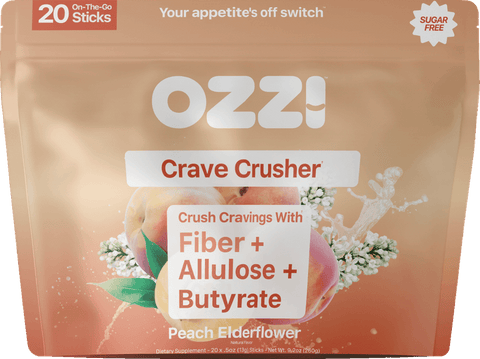
Ozzi Crave Crusher
Chromium supports insulin signaling and allulose does not raise blood glucose the way sugar does. Both sit alongside 500mg konjac glucomannan, 500mg BIOMEnd L-lysine butyrate, ursolic acid and 150mg African mango. Caffeine-free.
See what's in it →